
UPVC and Aluminum Windows
uPVC and aluminium windows. Made to measure, A-rated for energy efficiency, and fitted by the same team that's been doing this in Kingston since 1974.
Burgess Glass is a family-run glazing business based in Kingston upon Thames. We supply and install replacement windows for homes across KT12 and the wider Southwest London area, from Edwardian terraces in Surbiton to modern builds in Molesey and everything in between.
uPVC or Aluminium:
Which Window Should You Choose?
uPVC Windows
The most cost-effective choice. uPVC is light, weatherproof, and easy to look after. Wipe it down a couple of times a year and it stays looking new. Modern uPVC doors come with multi-point locking, reinforced steel cores, and a wide choice of colours and woodgrain foils. A good fit for back doors, side entrances, French doors, and patio doors. Also a strong all-rounder for front doors when budget matters.
Aluminium Windows
The premium option. Aluminium frames are far thinner than uPVC because the material is stronger, which means more glass and more daylight for the same window opening. Powder-coated finishes hold their colour for decades and won't fade in direct sun. Best fit for contemporary homes, extensions, large picture windows, and anywhere you want a sharp, architectural look.
Quick rule of thumb: uPVC if you want the best balance of cost, insulation, and choice. Aluminium if you want maximum glass, minimum frame, and a modern finish.
Window Styles We Install
Casement Windows
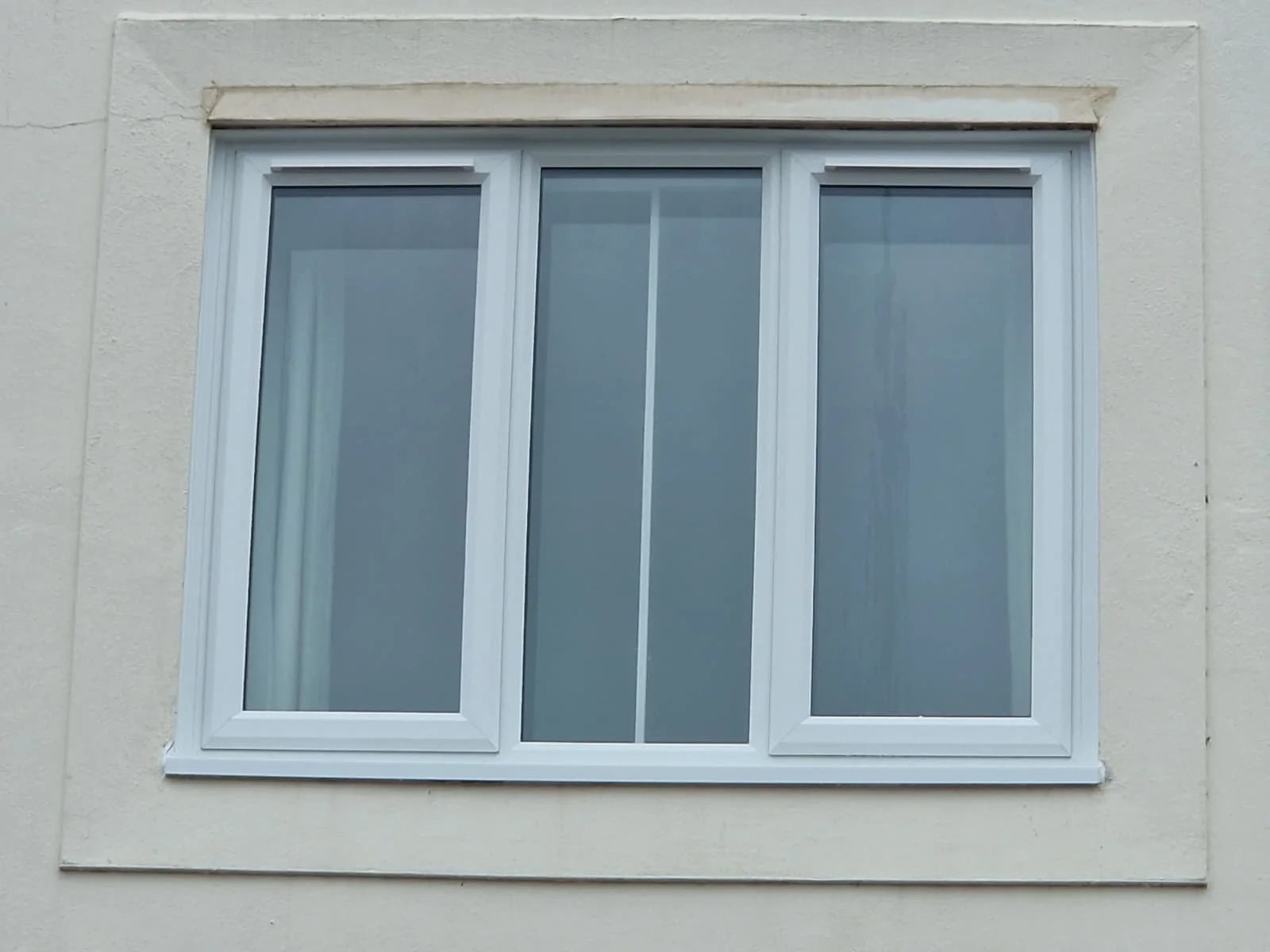
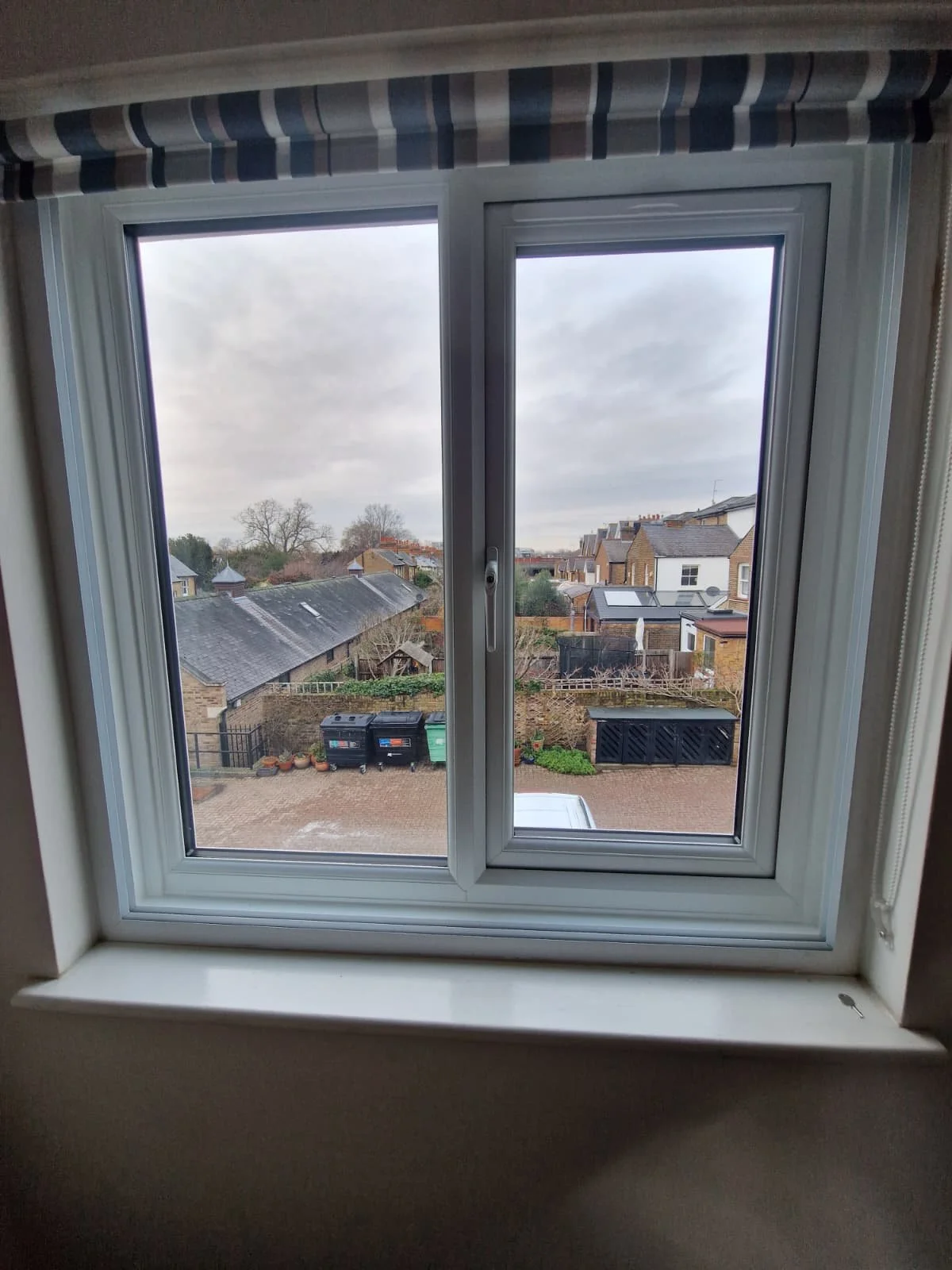
The most common style in the UK. Hinged at the side or top and opens outward. Available in single or multi-pane configurations, with or without a top opener. Both uPVC and aluminium.
Tilt and Turn Windows
Open inwards in two ways: tilt at the top for ventilation, or turn fully open for cleaning. Popular in apartments and on upper floors where cleaning the outside of a regular window is awkward.
Fixed Windows
Non-opening windows used to bring light into a space without sacrificing wall area. Often paired with smaller opening windows for ventilation. Aluminium is the strongest performer here because the slim frames maximise the glass.
Sash Windows
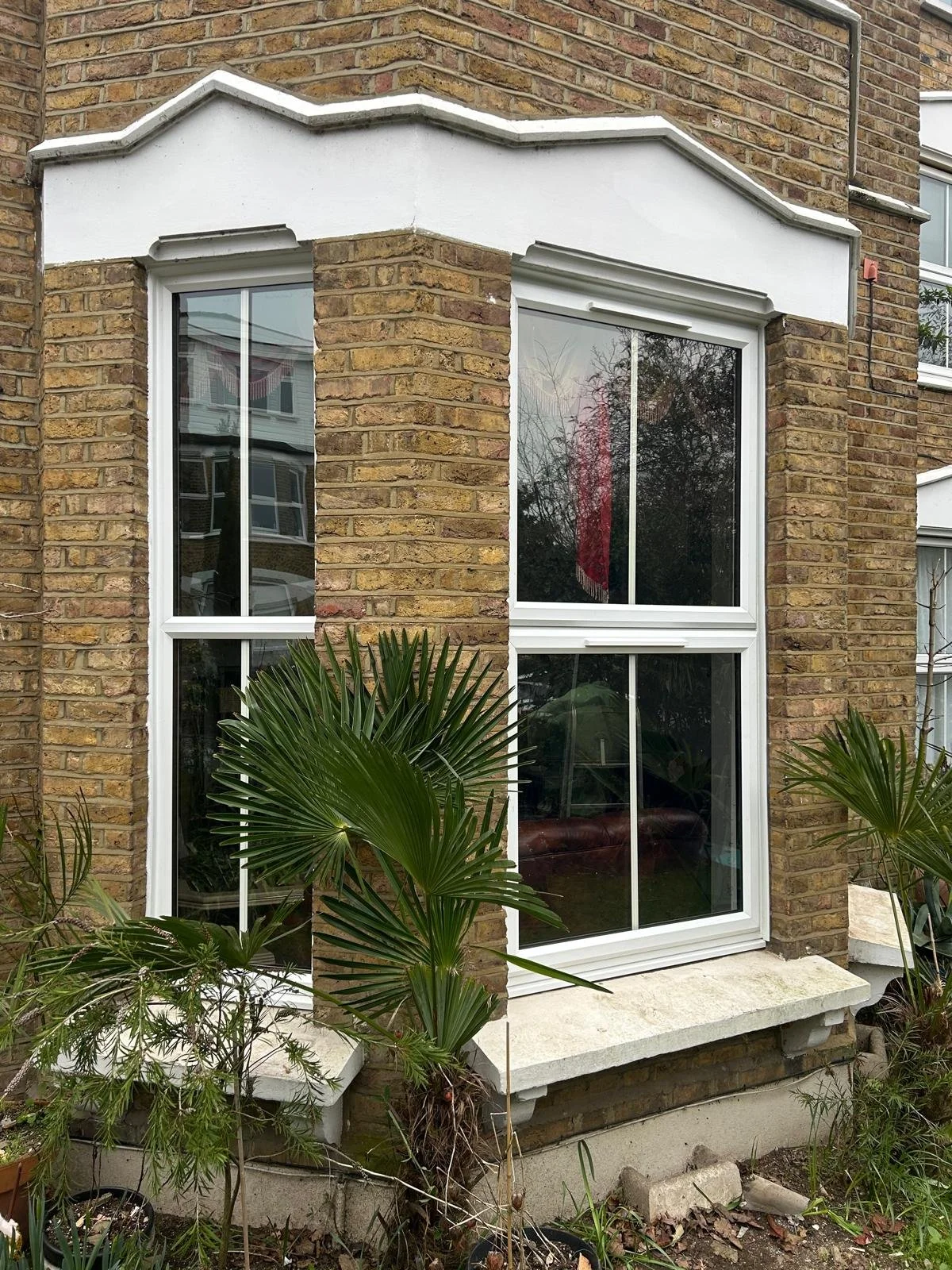
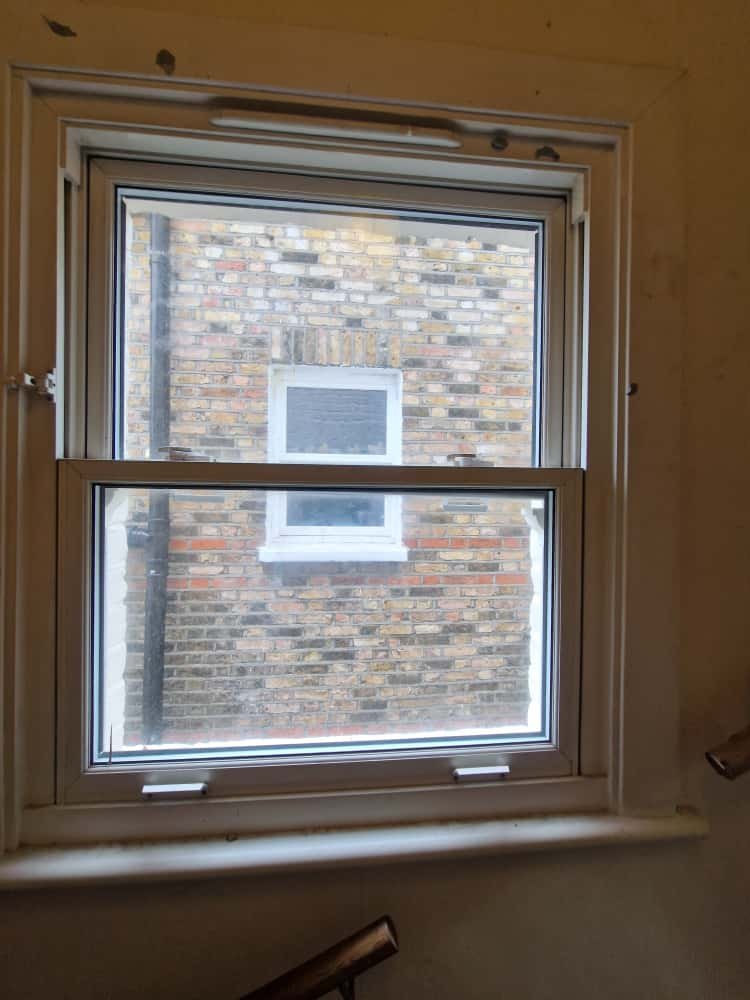
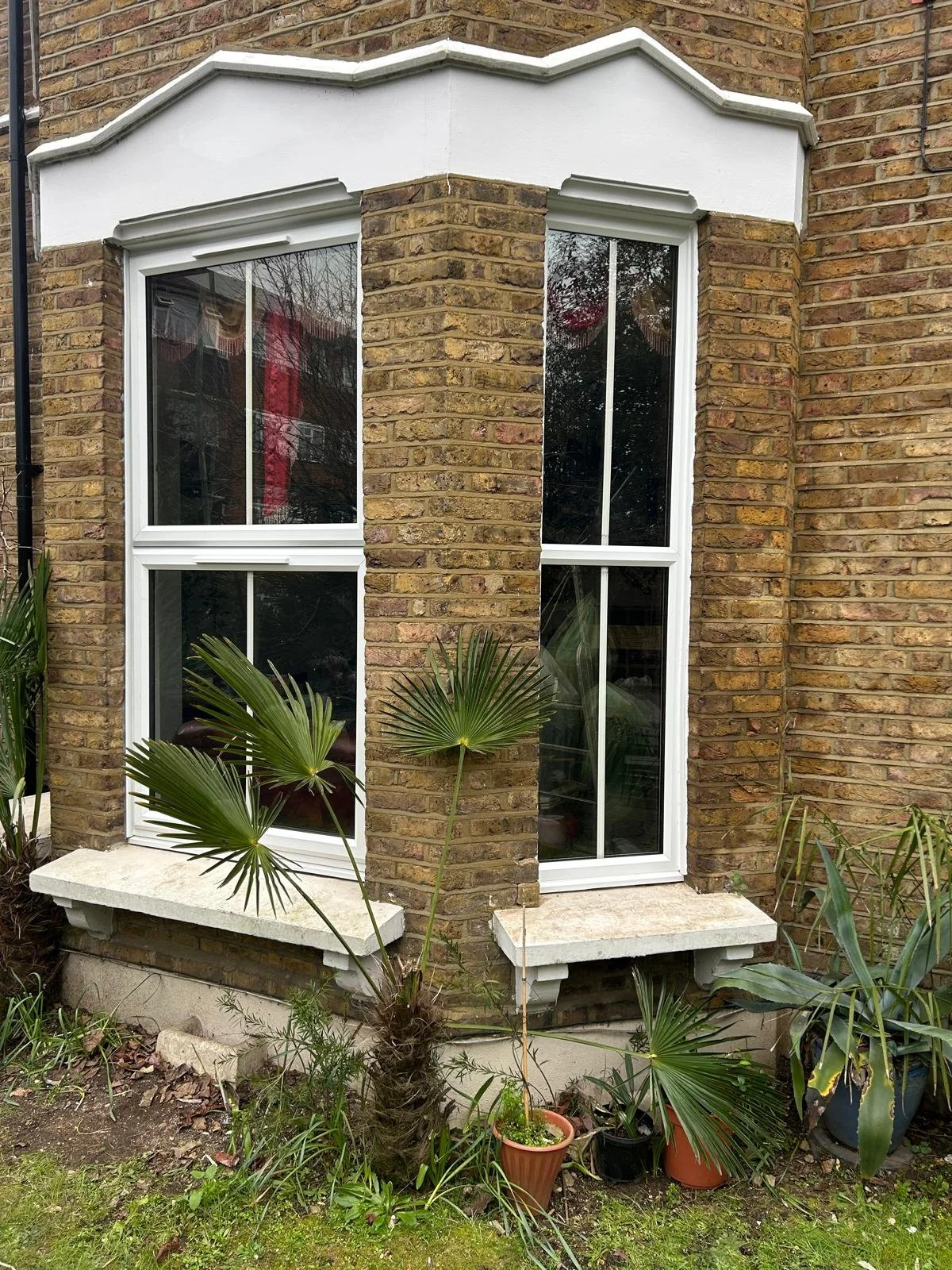
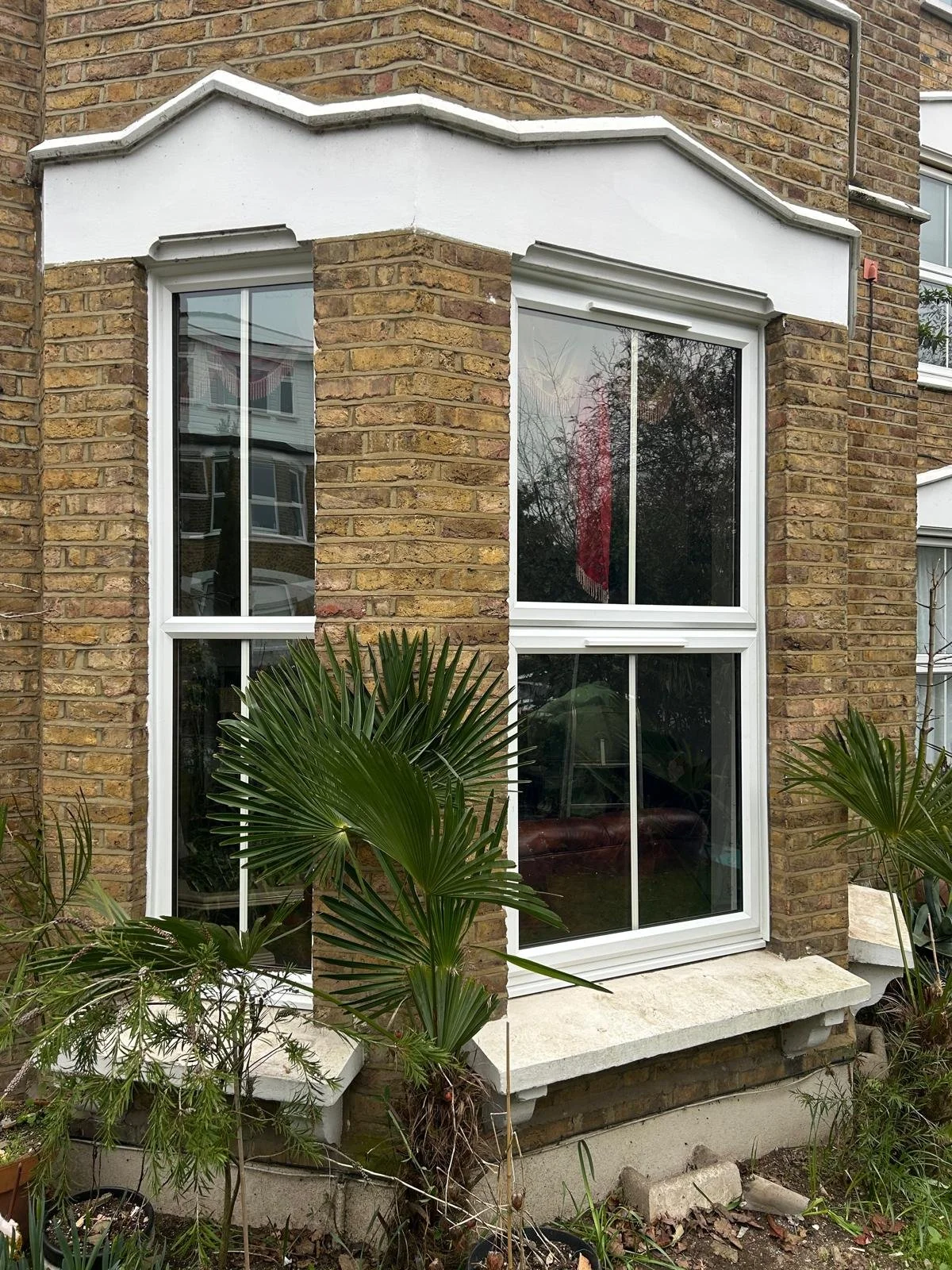
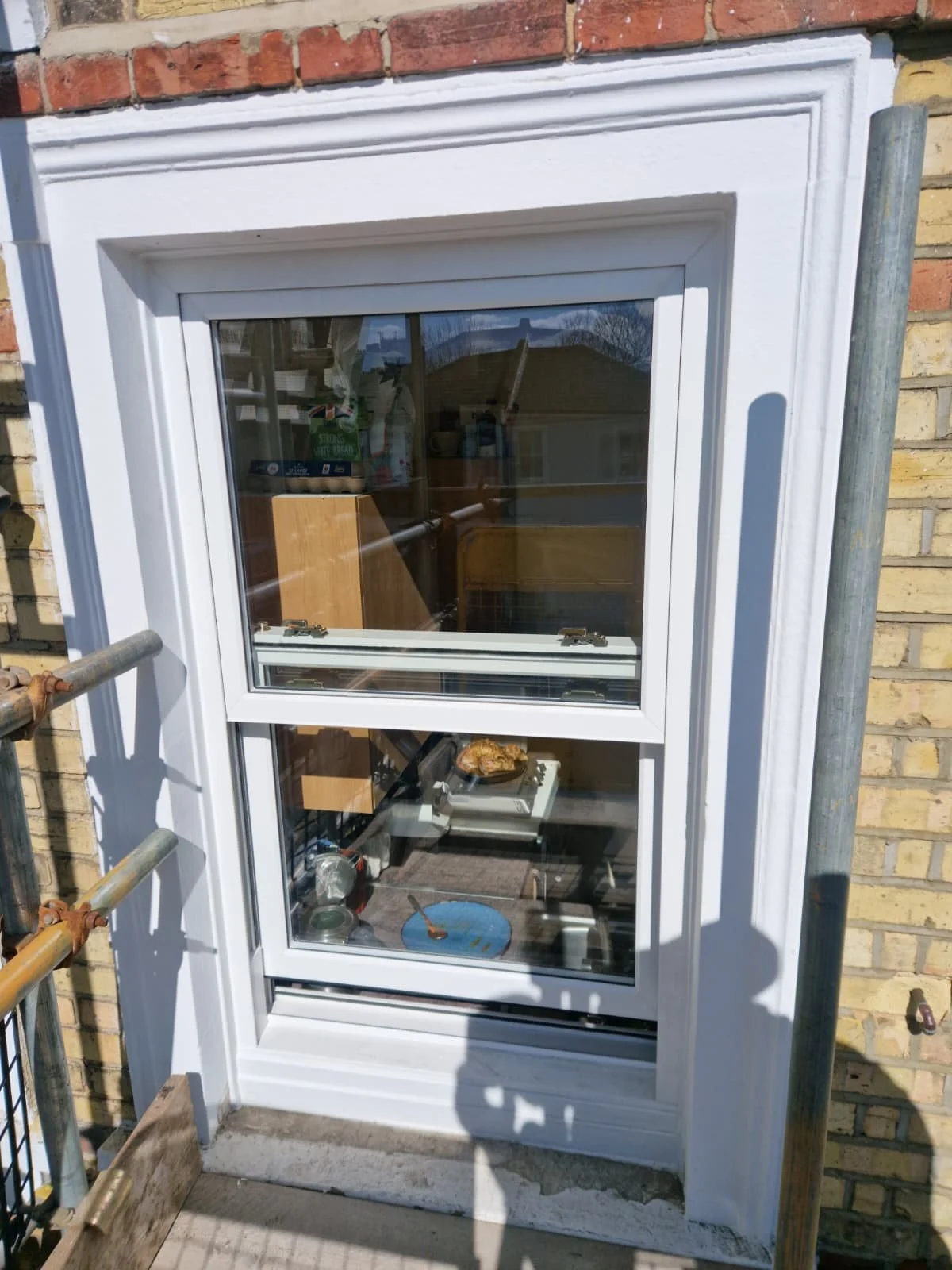
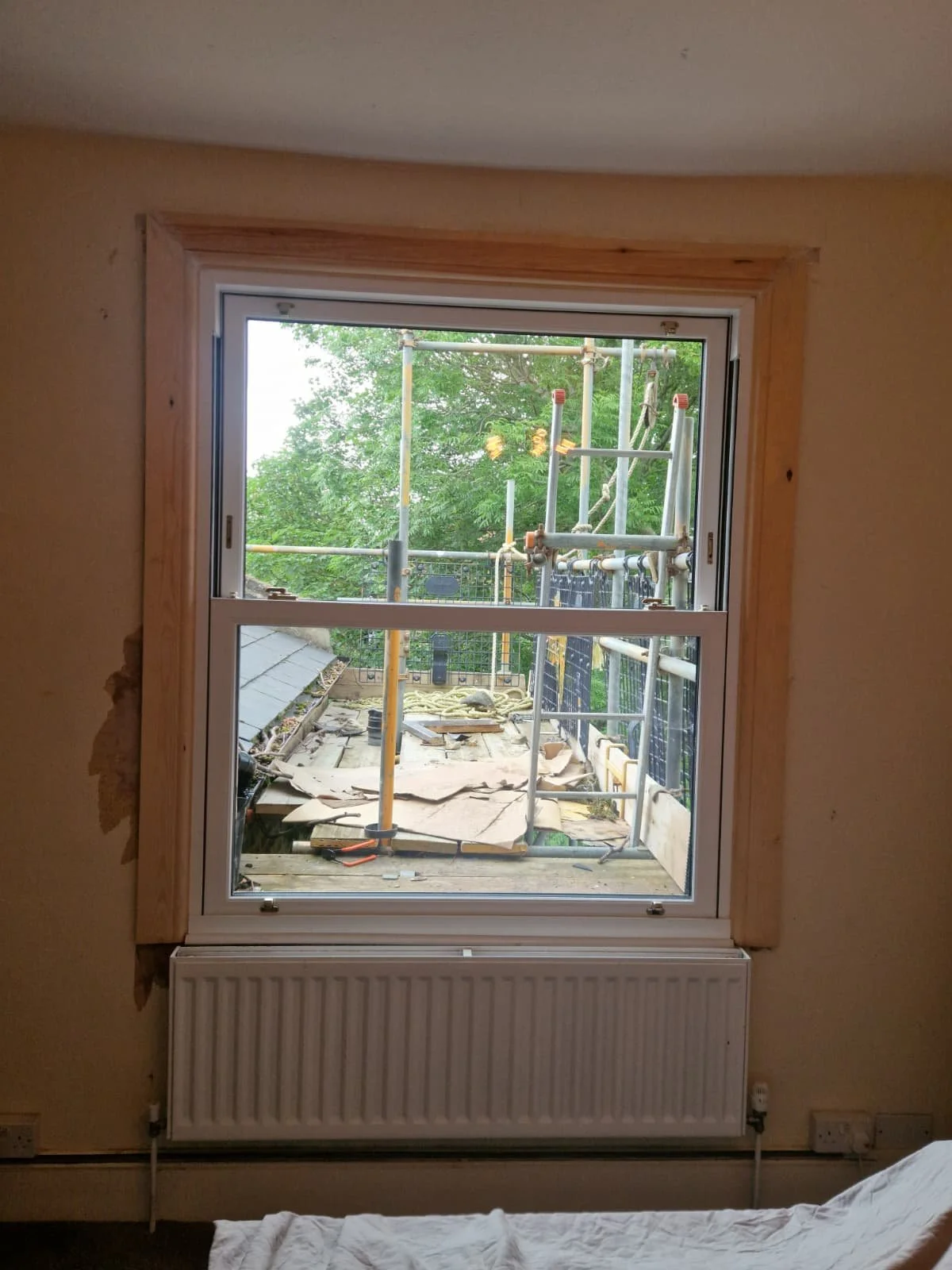
Two panels that slide vertically. The traditional choice for Victorian, Edwardian, and Georgian properties common across Surbiton, Kingston, and Hampton Wick. Modern uPVC and aluminium versions look like the original timber but don't rot, stick, or need painting.
Bay and Bow Windows
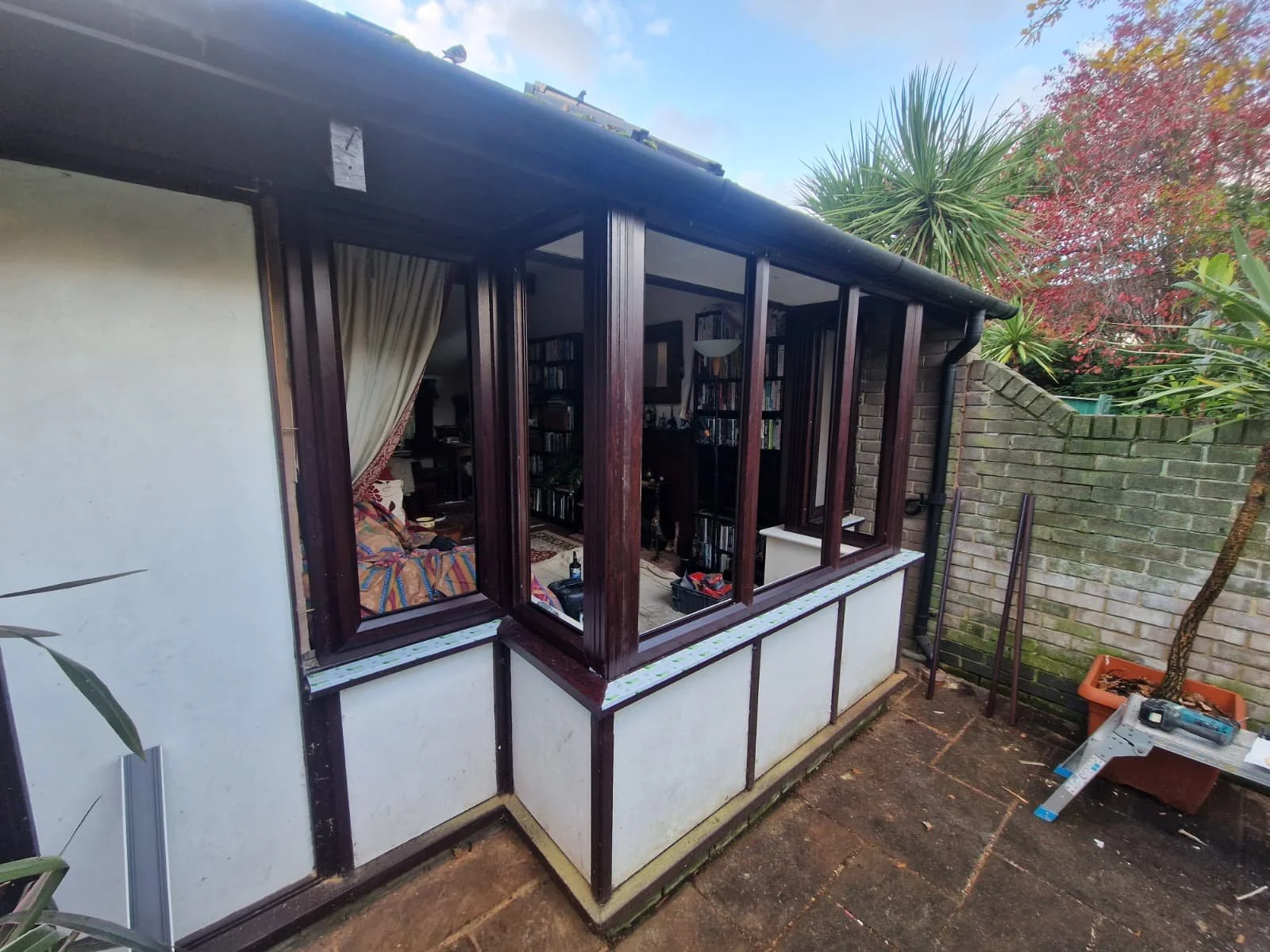
Multi-panel windows that project outward from the wall. Bay windows have flat angled sections, bow windows curve. Both add floor space and natural light to a room. We can replace a tired old bay window in a Victorian or Edwardian terrace without changing the structure.
Secondary Glazing
A separate aluminium window fitted on the inside of an existing window, usually to keep an original timber or sash frame in place (often required in conservation areas). It improves insulation and cuts noise without altering the look of the property from outside.
Energy Efficiency
All the windows we fit are A-rated or better as standard, with double or triple glazing options.
Double glazing: two panes of glass with an argon-filled gap. The default for most new windows. Cuts heat loss roughly in half compared to single glazing.
Triple glazing: three panes, two gaps. Better insulation and noise reduction, useful on north-facing walls or properties on busy roads. About 30% less heat loss than double glazing.
Low-E coatings: a microscopic coating on the glass that reflects heat back into the room. Standard on most modern double glazing.
Warm-edge spacer bars: the bit between the panes. Older windows used aluminium spacers, which conduct cold. Warm-edge spacers reduce condensation around the edge of the pane.
Better-insulated windows mean lower energy bills and fewer cold spots. They also reduce condensation, which matters in older Kingston properties where damp around windows is a common problem.
Window Security
Replacement windows should be more secure than the ones they're replacing. Standard features on what we fit:
Multi-point locking systems: locks at multiple points around the frame, not just the handle.
Internally beaded glazing: the glass can't be popped out from outside. Standard on all our windows.
Reinforced frames: galvanised steel cores on uPVC, structural aluminium profiles on aluminium frames.
Toughened or laminated safety glass: required by building regulations for low-level glazing and any window in or near a door.
PAS24 compliance: the British Standard for enhanced security performance. Available on both uPVC and aluminium specifications.
Secured by Design accreditation: the UK Police-backed standard, available on request.
Insurance discounts for accredited windows are common. If your insurer asks for specific certification, mention it when you get in touch.
Colours and Finishes
Both uPVC and aluminium windows come in a wide range of colours.
White
Anthracite grey (the most popular contemporary choice)
Black
Chartwell green
Cream and off-white
Rosewood and oak woodgrain foils
Dual-colour options (different shade inside and out)
Aluminium uses powder-coated finishes, which are extremely durable and won't fade or chip. uPVC uses foiled finishes that have improved significantly over the last decade and now look convincing even up close.
Why Choose Burgess Glass
A family-run business in Kingston upon Thames since 1974. That's 50 years of fitting windows in the same area, dealing with the same property types, and knowing which approach works for which house.
What you get when you work with us:
A proper site visit and accurate measure before any quote, no rough phone estimates that change later
Made-to-measure windows, not standard sizes forced into your openings
Our own installers, not subcontractors
Manufacturer guarantees on the windows, plus our own workmanship guarantee on the fit
Same-day glass replacement service for emergencies if a pane gets broken
We cover KT1, KT2, KT3, KT5, KT6, KT7, KT8, KT9, KT10, KT11, KT12, and the wider Southwest London area.
Frequently Asked Questions
-
It depends on size, style, material, and glazing spec. uPVC is the most affordable, aluminium is the premium option. Most households replace several windows at once, which brings the per-window cost down. We provide a fixed quote after a site visit, no estimates that change later.
-
A well-fitted uPVC window should last 25 to 30 years. Aluminium can last 40+ years because the material itself doesn't degrade. Seals and hinges may need servicing in that time, which is normal. The double-glazing units inside the frame typically come with a 10-year guarantee against misting.
-
Usually, yes, particularly if you're replacing single glazing or older 1990s double glazing. The Energy Saving Trust estimates that upgrading single-glazed windows to A-rated double glazing can save a typical semi-detached house around £140 a year. Your actual savings depend on the property and how it's heated.
-
Yes. Modern aluminium sash windows are made to mimic the proportions of original timber sashes, including the slim glazing bars and traditional sightlines, while giving you all the insulation and security benefits of a contemporary window. A common choice for period properties where homeowners want the look without the maintenance of timber.
-
For most homes, no. Like-for-like replacements fall under permitted development. The exceptions are listed buildings, properties in conservation areas, and where you're changing the size or style significantly. We can usually tell you in a few minutes whether your job needs permission. If it does, we'll point you in the right direction.
-
The Window Energy Rating (WER) scale runs from G (worst) to A++ (best). A-rated is the minimum we'd recommend; A+ and A++ have additional features like warm-edge spacers and low-iron glass that improve performance further. For most homes A-rated is the right balance of cost and performance.
-
Yes. It's a good option for listed buildings, conservation areas, and any property where you want to keep the original windows but cut heat loss and noise. We fit aluminium secondary glazing systems alongside the existing window, with no impact on the look of the property from outside.
-
Yes. Same-day service is often available for broken or cracked glass in the local area. Call the office on 020 8546 2551.